

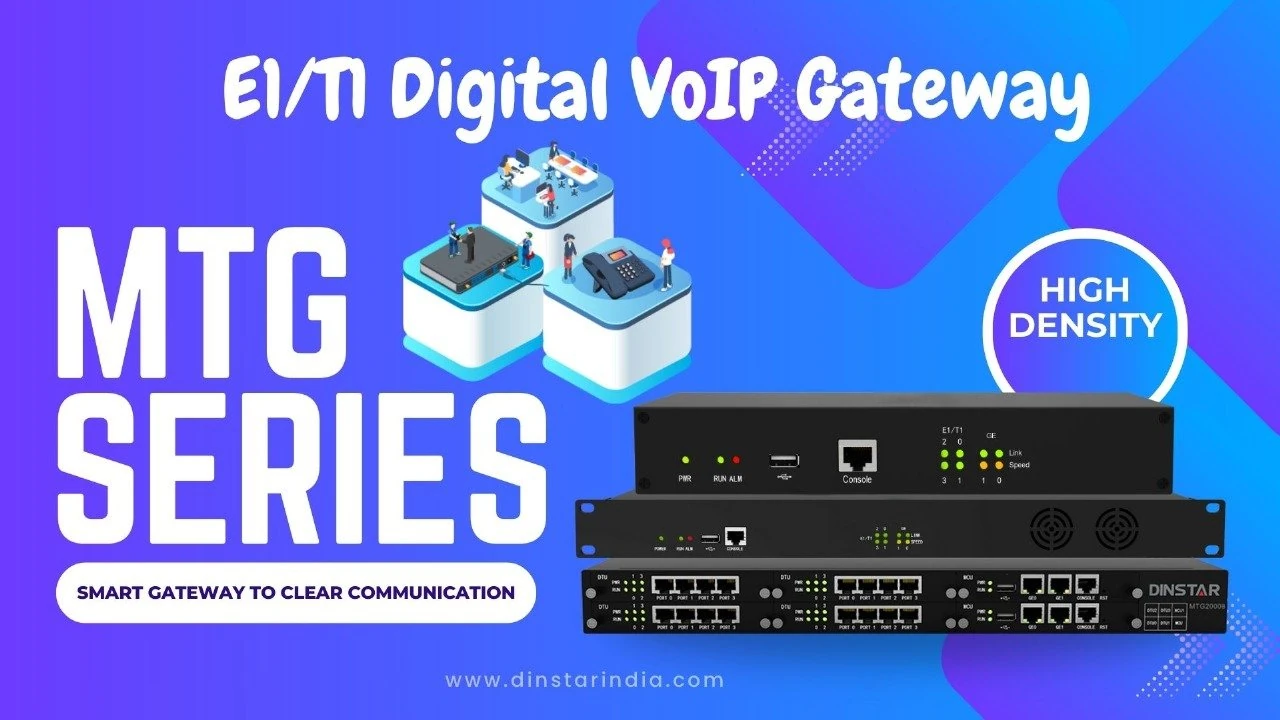
E1/T1 Digital VoIP Gateway | PRI Gateway | Dinstar india
In today’s fast-paced digital communication landscape, organizations across India require high-quality, secure, and scalable voice connectivity. Whether it’s enterprises, call centers, government networks, telecom operators, or service providers, the demand for reliable VoIP-to-PSTN bridging continues to rise. Dinstar India, a trusted global leader in VoIP and unified communication solutions, empowers this transformation through its advanced...
Bridge digital trunks with a clear migration plan
Digital voice deployments often connect an existing PBX or carrier circuit to SIP infrastructure. Start by confirming the circuit type, signaling, framing, and channel configuration with both ends of the connection. These details must agree before calls can pass reliably; they should be documented alongside the routing rules and the teams responsible for each side.
The gateway’s channel capacity should reflect expected simultaneous calls, not only the total number of users. Review peak-hour demand and planned growth, then validate that the network can support the expected voice traffic without competing with other critical services.
Validate call quality and recovery
A pre-production test should cover inbound and outbound calls, number presentation, busy and unanswered handling, and the routing of calls between the legacy PBX and SIP endpoints. Check audio in both directions and test representative call volumes so problems are found before a full cutover.
Finally, agree on what happens during a circuit, gateway, or network outage. Keep configuration backups, write down escalation contacts, and rehearse the recovery steps. Monitoring and clear ownership make it easier to identify whether an issue sits with the carrier, the IP network, the PBX, or the gateway.
Size a digital gateway deployment
A successful communication deployment depends on matching the technology to real-world call flows, existing systems, and the people who support them. Use these points as a starting checklist:
- Confirm the E1/T1 or PRI signaling and framing requirements with the carrier and PBX.
- Estimate concurrent channels, codecs, and peak traffic before selecting capacity.
- Validate routing, redundancy, and monitoring in a representative test environment.
Test the proposed setup with representative traffic and document the final configuration before rollout. A staged deployment makes it easier to confirm call quality, interoperability, and recovery procedures while keeping existing services available.
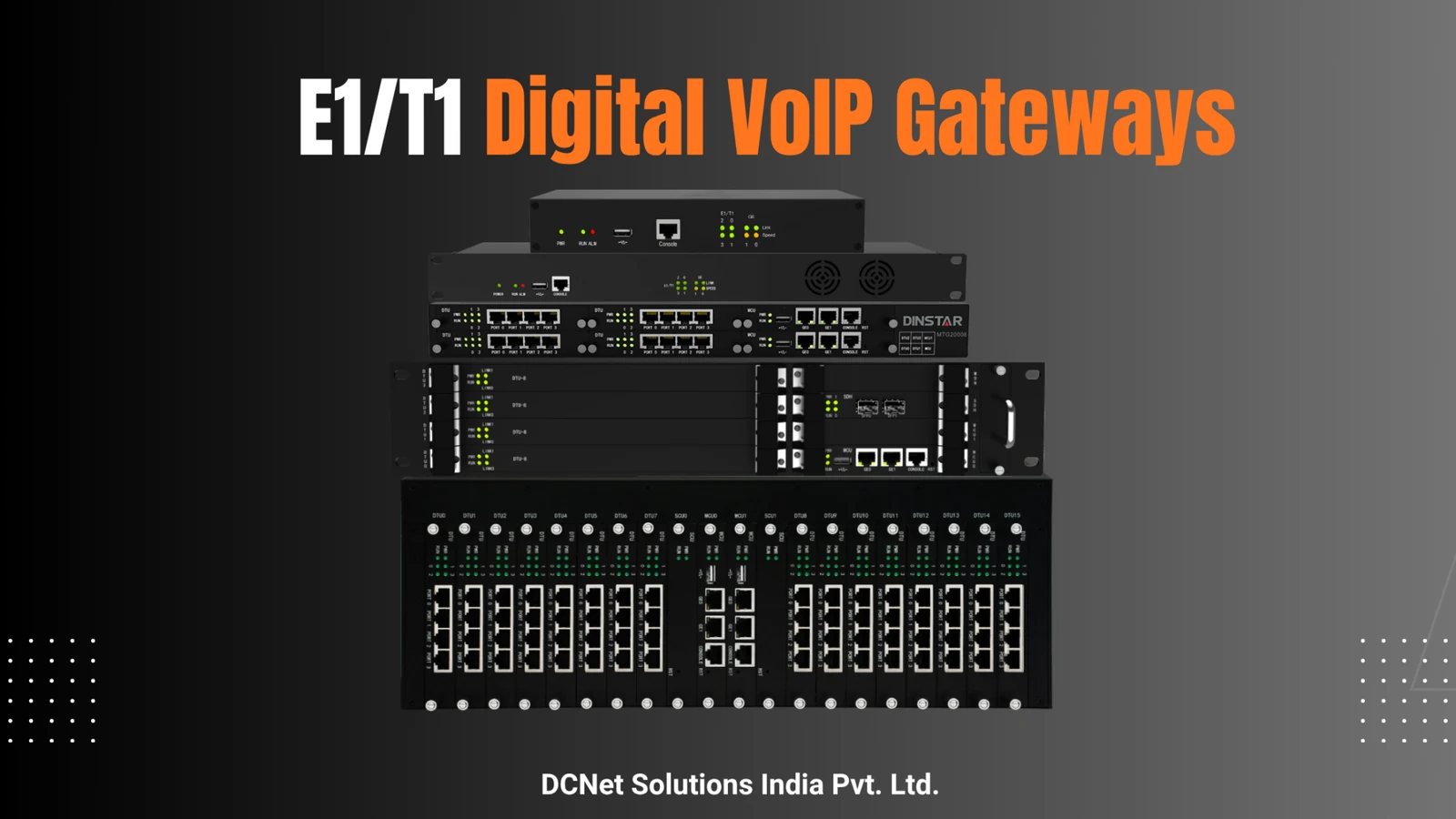
Next-Gen Digital VoIP Gateways | E1/T1 Digital VoIP Gateway
Introduction In today’s fast-evolving communication world, businesses rely on reliable, high-quality, and scalable voice solutions. As organizations move from legacy telephony systems to...
Dinstar Support in India: Reliable VoIP & Communication Solutions
In today’s business world, reliable communication is essential for keeping operations running smoothly and providing better customer service. Businesses across different industries use...