

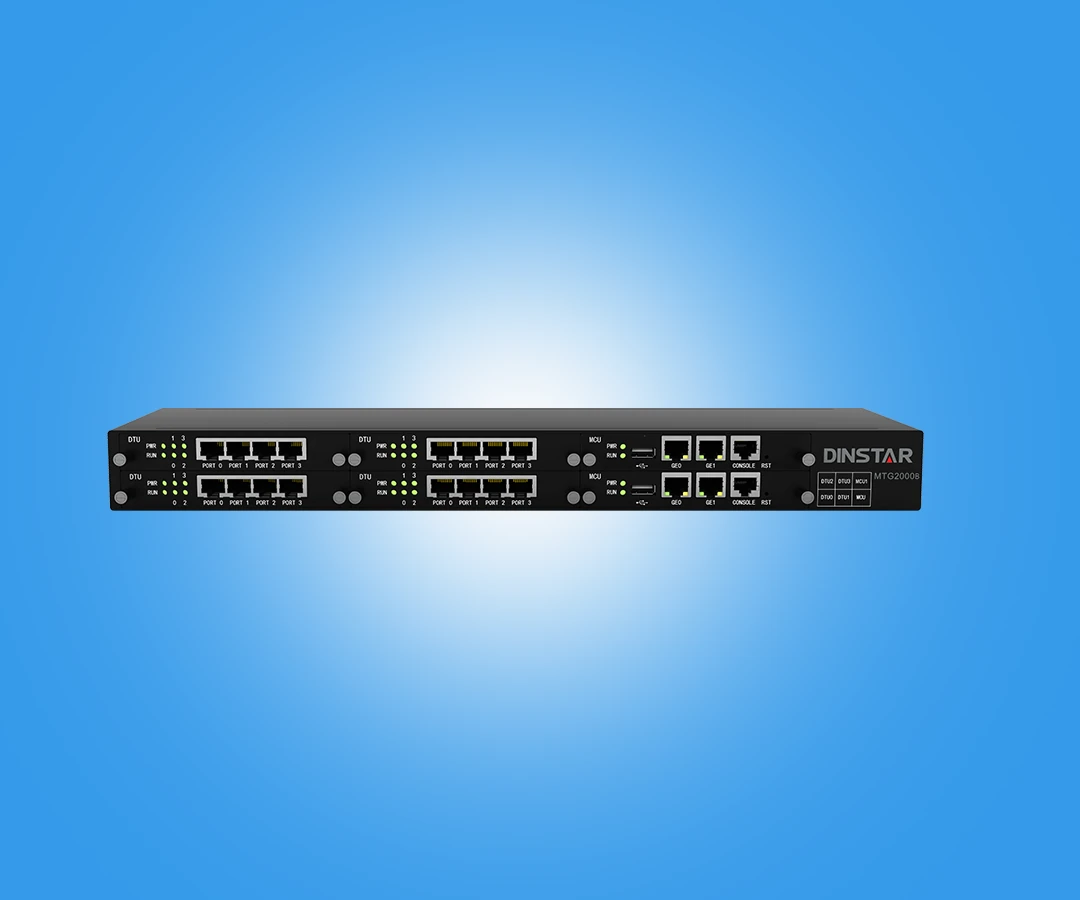
How Can Dinstar Gateways Help Reduce Business Communication Costs?
It’s critical to maintain efficient communication while keeping operational costs down in today’s cutthroat economic climate. Utilizing Dinstar gateways is a potent remedy that is becoming more popular. These cutting-edge tools help businesses cut costs and streamline operations by providing an affordable solution for business communication. As a Dinstar distributor, we’ve seen firsthand how these...
Compare total operating cost, not just purchase price
A realistic comparison includes hardware, licenses or service charges, carrier usage, network changes, installation, support, and the staff time required to operate the solution. Existing equipment that can be retained may reduce migration effort, but only if it remains compatible and supportable.
Use actual traffic and call patterns to estimate capacity. Under-sizing can create congestion and service interruptions; over-sizing can leave capacity unused. Identify assumptions in the estimate and revisit them when locations, call volumes, or business requirements change.
Make savings measurable
Before changing a system, record a baseline for the costs and service measures the project is intended to improve. After rollout, compare like-for-like periods and account for changes in traffic or staffing. This makes it easier to distinguish a genuine operational improvement from a temporary fluctuation.
Keep reliability, security, and support in the evaluation. The lowest initial cost is not necessarily the best value if outages, difficult maintenance, or poor interoperability create additional work later. A phased deployment gives the organization a chance to validate both the financial assumptions and the user experience.
Choose a gateway that fits the network
A successful communication deployment depends on matching the technology to real-world call flows, existing systems, and the people who support them. Use these points as a starting checklist:
- Inventory legacy interfaces such as analog, GSM, and E1/T1 before comparing models.
- Match port and concurrent-call capacity to current demand and planned growth.
- Confirm SIP interoperability, routing options, security controls, and local support.
Test the proposed setup with representative traffic and document the final configuration before rollout. A staged deployment makes it easier to confirm call quality, interoperability, and recovery procedures while keeping existing services available.

Dinstar Distributor in India | Official Master Distributor – Dinstar India
In today’s rapidly evolving digital communication landscape, VoIP (Voice over Internet Protocol) has become a critical technology for businesses and organizations seeking efficient...
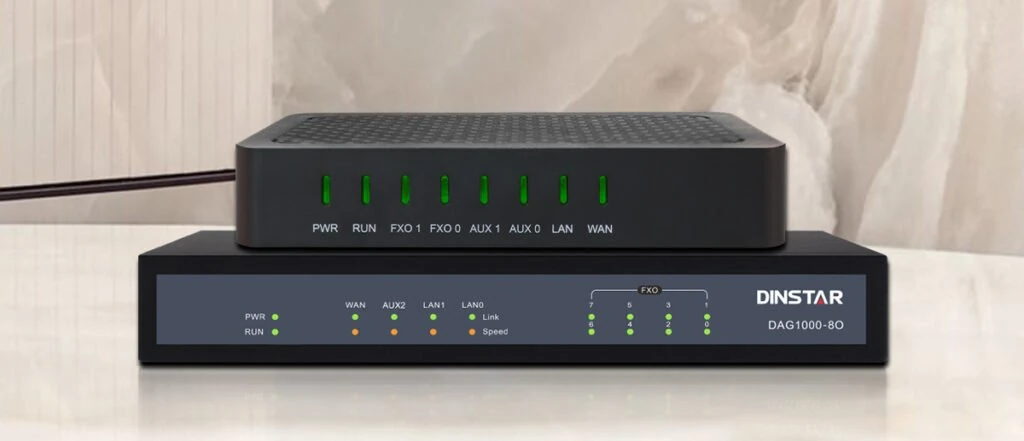
Advantages of FXS VoIP Gateway and FXO VoIP Gateway | Dinstar India
In today’s fast-evolving communication landscape, businesses increasingly rely on advanced technologies to maintain efficient, cost-effective, and reliable communication systems. Among...