

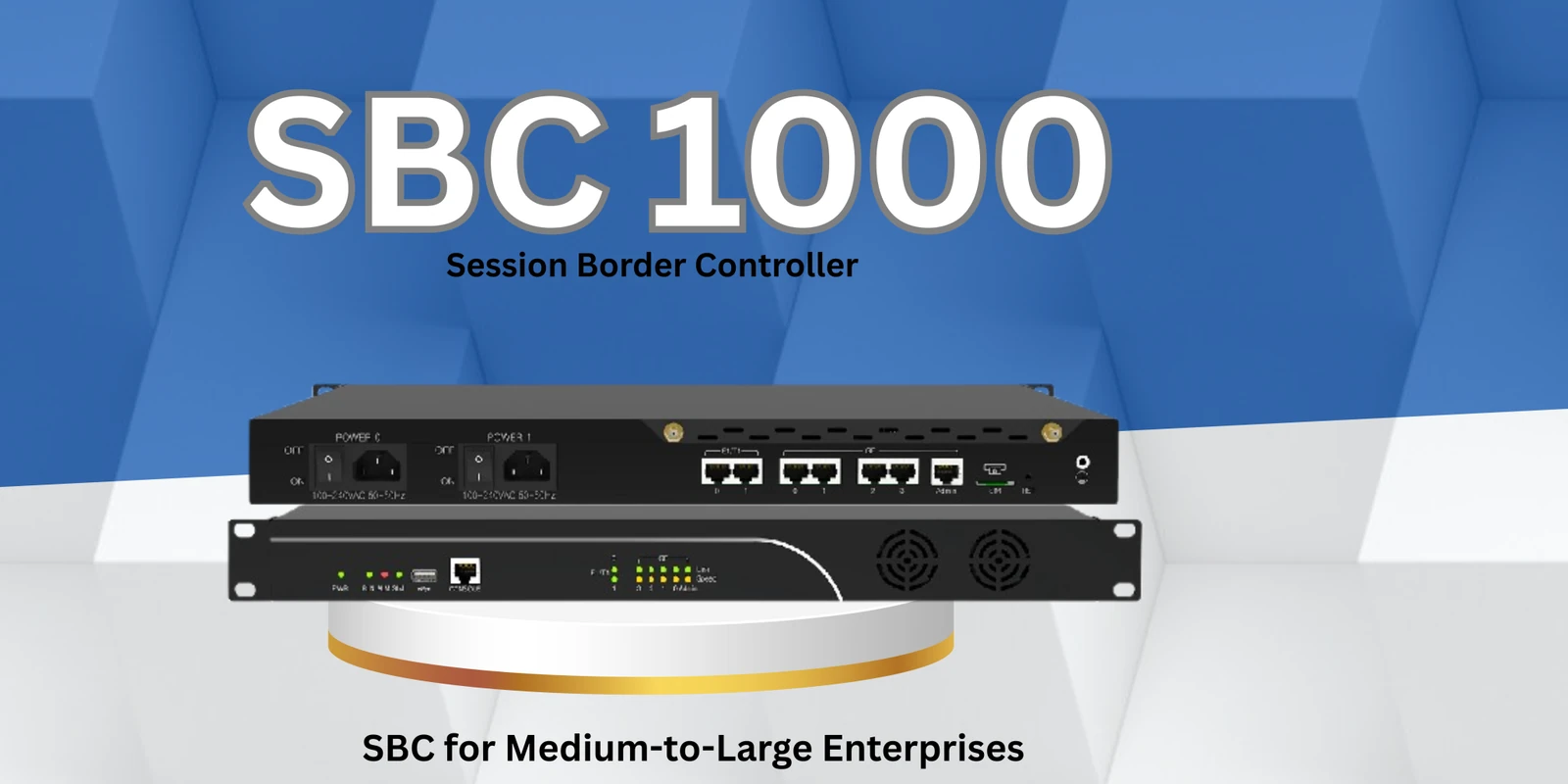
SBC (Session Border Controllers ) 1000 | Dinstar India
In today’s world of modern telecommunications, ensuring the security, reliability, and efficiency of VoIP (Voice over Internet Protocol) systems is more important than ever. This is where Session Border Controllers (SBCs) come into play. SBCs act as a gatekeeper for VoIP networks, ensuring that calls between internal and external networks are secure, reliable, and properly...
Treat the SIP boundary as part of the network design
A Session Border Controller sits between voice networks and helps administrators apply consistent controls to SIP sessions. Begin with a diagram of the trusted and untrusted networks, the SIP trunks that cross them, and the systems that need to communicate. Define which traffic is expected and restrict access to those known paths rather than exposing voice services broadly.
Review authentication, encryption options, address and port rules, administrative access, and software maintenance as part of the deployment. Requirements depend on the organization’s topology and policies, so have the network and security teams verify the final design instead of relying on a default configuration.
Monitor, document, and review
Useful operational visibility includes registration status, call setup failures, resource usage, and changes to routing or access rules. Retain only the logs needed for troubleshooting and applicable business requirements, and ensure access to them is controlled.
Security and compliance are ongoing responsibilities. Assign owners for updates, configuration backups, incident escalation, and periodic access reviews. Test any change in a controlled window, and confirm that the safeguards do not interrupt legitimate calls or emergency procedures.
Build a secure SIP edge
A successful communication deployment depends on matching the technology to real-world call flows, existing systems, and the people who support them. Use these points as a starting checklist:
- Map trusted and untrusted network boundaries and the SIP trunks that cross them.
- Size session capacity for normal traffic as well as expected peaks and failover.
- Review access controls, topology hiding, encryption, and logging with the security team.
Test the proposed setup with representative traffic and document the final configuration before rollout. A staged deployment makes it easier to confirm call quality, interoperability, and recovery procedures while keeping existing services available.

Dinstar Support in India: Reliable VoIP & Communication Solutions
In today’s business world, reliable communication is essential for keeping operations running smoothly and providing better customer service. Businesses across different industries use...

Which Dinstar FXO VoIP Gateway is Best for Your Business?
Businesses moving from traditional telephony to IP-based communication often face an important question: Which FXO VoIP Gateway is the right choice for their existing telephone...