

SMS Gateways vs. Email Marketing: Which is More Effective?
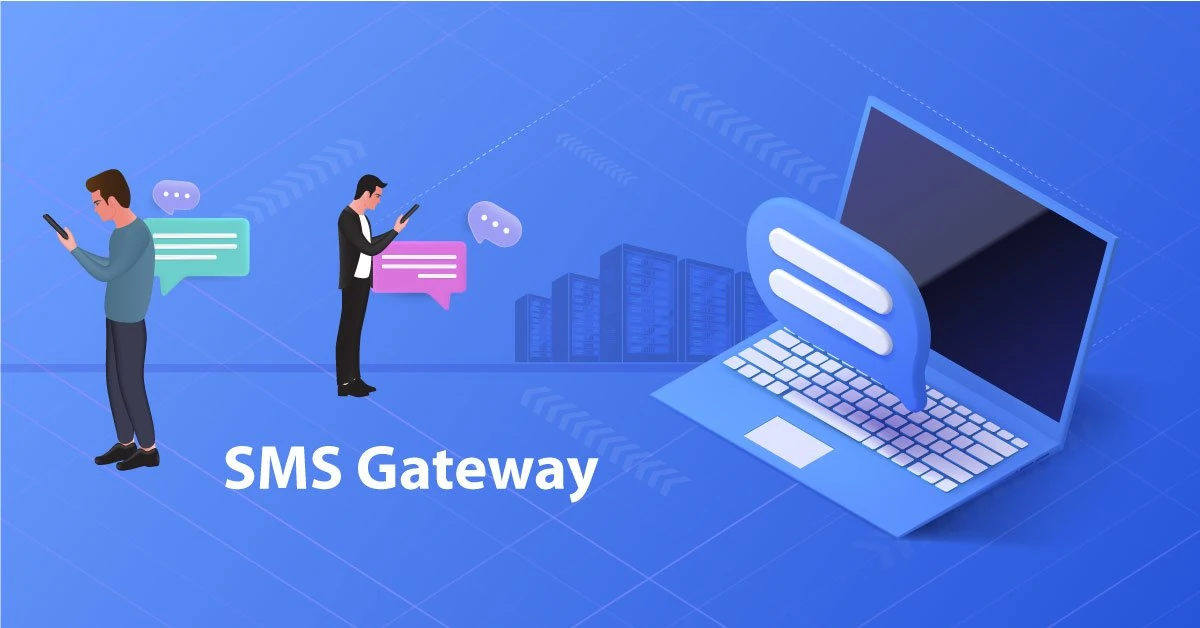
Businesses can communicate with customers through a multitude of communication options available to them in today’s digital marketplace. Email marketing and SMS gateways are two of the most widely used, both with their own benefits. Which one, nonetheless, works better for your company? In particular, when it comes to companies working with an SMS service...
Plan for coverage, routing, and responsible use
Cellular connectivity varies by location and carrier. Before deploying a GSM gateway, verify signal quality where the equipment will operate, confirm supported networks and SIM arrangements with the carrier, and decide how calls or messages should be routed when a channel is busy or unavailable.
For messaging, define the purpose and audience before choosing a channel. Keep consent, sender identification, opt-out handling, and applicable local rules in view. SMS can suit time-sensitive notifications, while email may be more appropriate for longer information; the right choice depends on the recipient and the communication being sent.
Measure outcomes and maintain the deployment
Track delivery or call completion, failed attempts, response patterns, and the cost of the traffic that matters to the business. Use those observations to adjust routing and capacity rather than assuming that one configuration will suit every site or campaign.
Document SIM ownership, escalation contacts, access controls, and recovery steps. Review carrier terms and applicable regulations with the appropriate internal owner, and test changes before relying on the gateway for important customer or operational communications.
Choose a gateway that fits the network
A successful communication deployment depends on matching the technology to real-world call flows, existing systems, and the people who support them. Use these points as a starting checklist:
- Inventory legacy interfaces such as analog, GSM, and E1/T1 before comparing models.
- Match port and concurrent-call capacity to current demand and planned growth.
- Confirm SIP interoperability, routing options, security controls, and local support.
Test the proposed setup with representative traffic and document the final configuration before rollout. A staged deployment makes it easier to confirm call quality, interoperability, and recovery procedures while keeping existing services available.

Dinstar Distributor in India | Official Master Distributor – Dinstar India
In today’s rapidly evolving digital communication landscape, VoIP (Voice over Internet Protocol) has become a critical technology for businesses and organizations seeking efficient...
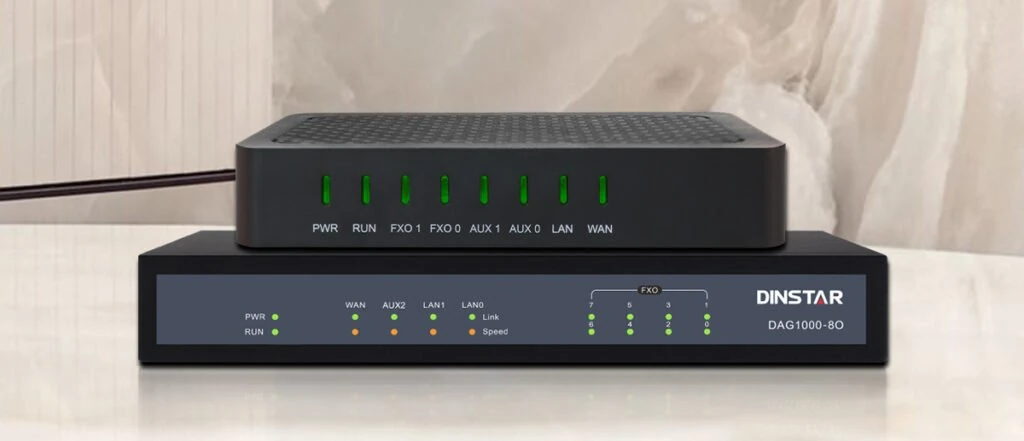
Advantages of FXS VoIP Gateway and FXO VoIP Gateway | Dinstar India
In today’s fast-evolving communication landscape, businesses increasingly rely on advanced technologies to maintain efficient, cost-effective, and reliable communication systems. Among...