


The AI Revolution in Call Centers
In the midst of India’s tech capitals, a silent revolution is taking place. Call centers, once synonymous with endless hold times and frustrated customers, are undergoing a dramatic transformation. The catalyst? Artificial Intelligence. As a leading Call Center Service Provider in India, we’re at the forefront of this exciting change. According to a recent report...
Connect communication design to the customer journey
A contact operation works best when customers can reach the right team without unnecessary transfers. Map the common reasons people get in touch, the hours and languages that need coverage, and the steps agents follow to resolve each request. This helps determine how queues, routing, callbacks, and escalation should be configured.
Estimate busy-period demand as well as average traffic, and include the network, carrier, and staffing capacity needed to handle it. If voice, SMS, or other channels are combined, make sure agents can see enough context to respond consistently and that handoffs between channels are clear.
Improve service with measured, responsible changes
Useful measures can include wait time, abandonment, first-contact resolution, and customer feedback, interpreted alongside the complexity of the work. Review trends with frontline staff: a change that reduces queue time but makes a task harder to complete may not improve the overall experience.
Automation and AI can assist with repetitive steps, but should have clear limits, appropriate human escalation, and review by the teams accountable for customer outcomes. Protect personal information, set retention and access rules, and test new workflows with a small group before expanding them.
Design around customer experience
A successful communication deployment depends on matching the technology to real-world call flows, existing systems, and the people who support them. Use these points as a starting checklist:
- Forecast peak call and message volumes and the staffing needed to handle them.
- Connect communication channels with the CRM and reporting workflows agents already use.
- Set access, retention, and escalation policies that meet applicable compliance needs.
Test the proposed setup with representative traffic and document the final configuration before rollout. A staged deployment makes it easier to confirm call quality, interoperability, and recovery procedures while keeping existing services available.
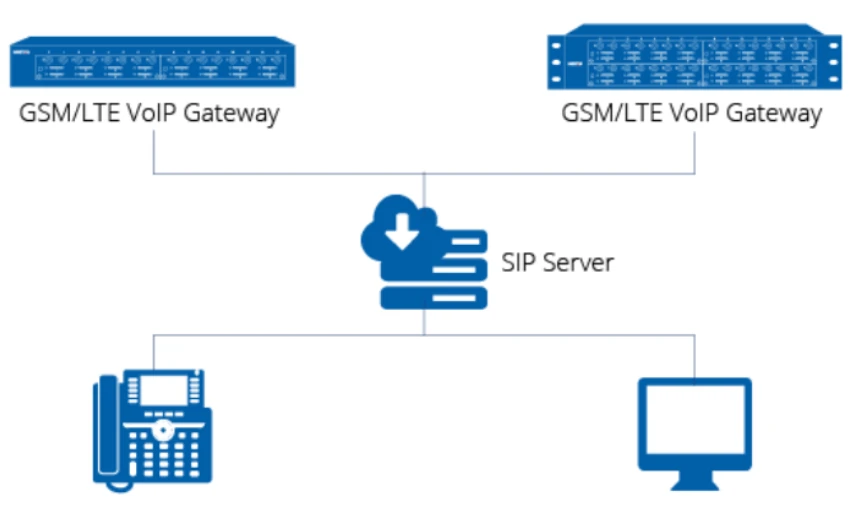
Why VoIP Gateways are the Key to Flexible Call Center Solutions for Small Businesses in India.
For small businesses in India, building a call center can feel like a huge investment. Traditional setups require a lot of infrastructure and upfront costs, making them challenging for...

Maximizing Customer Engagement: Using VoIP and SMS for Effective Communication.
As the business world changes quickly. Staying connected with customers is essential. Indian companies are using VoIP call centers and SMS gateways. They aim to boost communication and...