

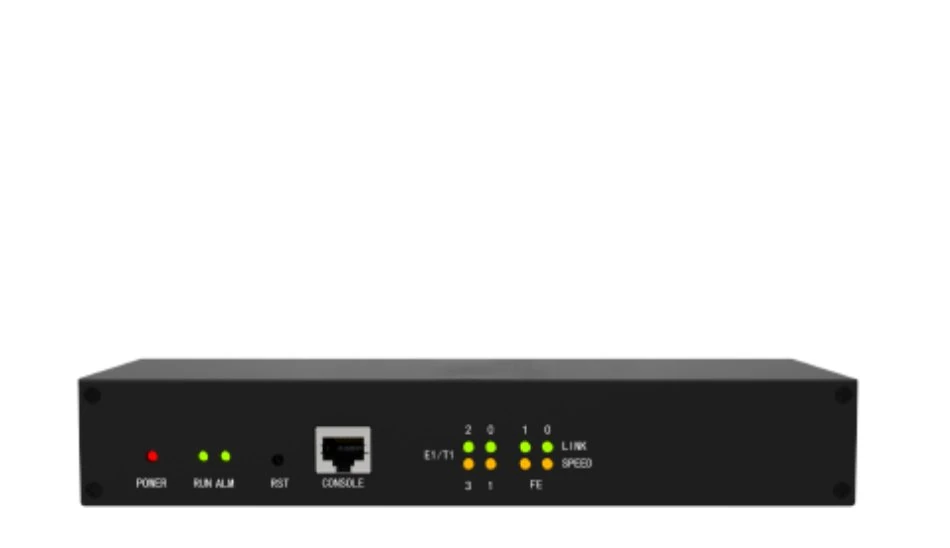
What is a Hybrid Analog VoIP Gateway?
A Hybrid Analog VoIP Gateway is a communication device that bridges traditional analog telephony systems and modern VoIP (Voice over Internet Protocol) networks. It combines both FXS (Foreign Exchange Station) and FXO (Foreign Exchange Office) ports in a single device, enabling seamless communication between analog phones, PBXs, and VoIP systems. For example, models like the...
Start with the equipment you already have
Before selecting a gateway, list every connection that needs to remain available: carrier lines, desk phones, fax machines, intercoms, and any existing PBX. FXS connects analog endpoints to an IP voice service, while FXO connects an analog carrier line or PBX extension to an IP network. Hybrid deployments can combine both kinds of connection, but the exact port mix should follow the inventory rather than a guess.
Also record how calls move today. Note which numbers are inbound, how staff make outbound calls, which extensions need to reach each other, and what should happen if the IP link is unavailable. This simple call-flow map helps the implementation team preserve familiar behavior during a migration.
Check capacity and compatibility
Port count and concurrent calls are different sizing questions. A site may have many attached lines but only a smaller number of simultaneous conversations; estimate both from real usage and allow room for busy periods. Confirm the signaling, codecs, dial plan, caller ID expectations, and SIP settings with the PBX or service provider before deployment.
Test the less frequent but important cases as well: fax behavior if fax is in scope, emergency and after-hours routing, inbound caller identification, and recovery after a network interruption. A staged cutover with a rollback plan reduces disruption and gives staff time to verify everyday call flows.
Plan the analog-to-IP transition
A successful communication deployment depends on matching the technology to real-world call flows, existing systems, and the people who support them. Use these points as a starting checklist:
- Count the analog lines, phones, fax machines, and PBX ports that must remain in service.
- Choose the right mix of FXS and FXO ports and allow for expected call concurrency.
- Test SIP registration, dial plans, caller ID, and failover with the existing phone system.
Test the proposed setup with representative traffic and document the final configuration before rollout. A staged deployment makes it easier to confirm call quality, interoperability, and recovery procedures while keeping existing services available.

Which Dinstar FXO VoIP Gateway is Best for Your Business?
Businesses moving from traditional telephony to IP-based communication often face an important question: Which FXO VoIP Gateway is the right choice for their existing telephone...
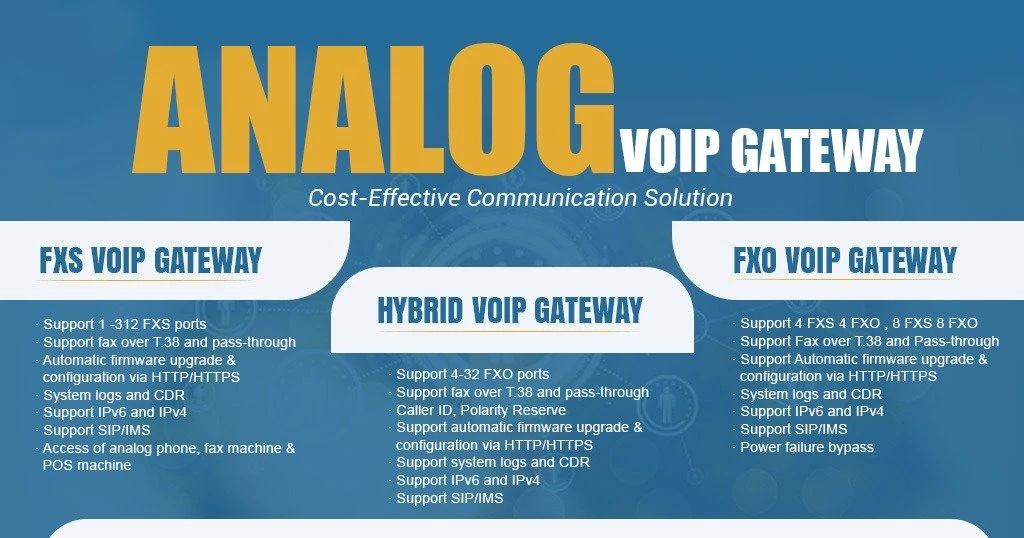
Dinstar Analog VoIP Gateway Solutions for Modern Enterprise Connectivity
In the rapidly evolving world of digital communication, businesses are increasingly moving toward advanced VoIP technologies to improve connectivity, reduce communication costs, and...