


What is a VoIP Gateway? A Beginner’s Guide
A VoIP gateway is a tool that links traditional phone systems to the internet by converting voice and signals between them. A VoIP gateway is a key component that is often found in the center of VoIP systems. However, what precisely is a VoIP gateway, and what makes it significant? Now let’s get started. How...
Where voip gateways fits
The right communication setup depends on the systems already in place, the people who rely on them, and the call patterns the organization needs to support. Start with an inventory of interfaces, locations, peak usage, and critical call flows before comparing technical options.
This assessment gives the project a practical baseline. It also makes it easier to identify which parts can be retained, where interoperability testing is needed, and what a successful migration should look like for users and support teams.
Move from requirements to a reliable rollout
Agree on capacity, routing, security, and ownership with the relevant teams before deployment. Test representative inbound and outbound calls, failure scenarios, and the devices people use every day. Document the configuration and any decisions that will affect future maintenance.
A phased rollout creates room to gather feedback and correct issues before they affect every user. After launch, review service quality and operational feedback regularly, and update the plan as the organization’s network and communication needs evolve.
Choose a gateway that fits the network
A successful communication deployment depends on matching the technology to real-world call flows, existing systems, and the people who support them. Use these points as a starting checklist:
- Inventory legacy interfaces such as analog, GSM, and E1/T1 before comparing models.
- Match port and concurrent-call capacity to current demand and planned growth.
- Confirm SIP interoperability, routing options, security controls, and local support.
Test the proposed setup with representative traffic and document the final configuration before rollout. A staged deployment makes it easier to confirm call quality, interoperability, and recovery procedures while keeping existing services available.
Dinstar Distributor in India | Official Master Distributor – Dinstar India
In today’s rapidly evolving digital communication landscape, VoIP (Voice over Internet Protocol) has become a critical technology for businesses and organizations seeking efficient...
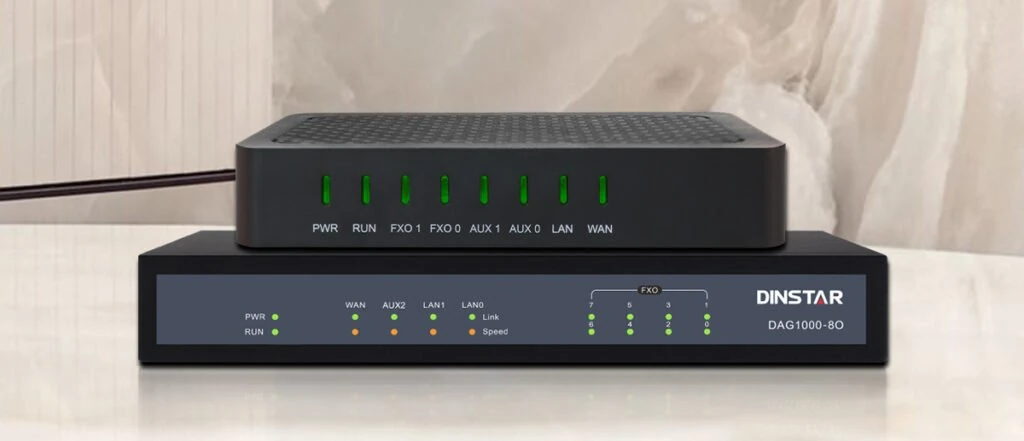
Advantages of FXS VoIP Gateway and FXO VoIP Gateway | Dinstar India
In today’s fast-evolving communication landscape, businesses increasingly rely on advanced technologies to maintain efficient, cost-effective, and reliable communication systems. Among...