

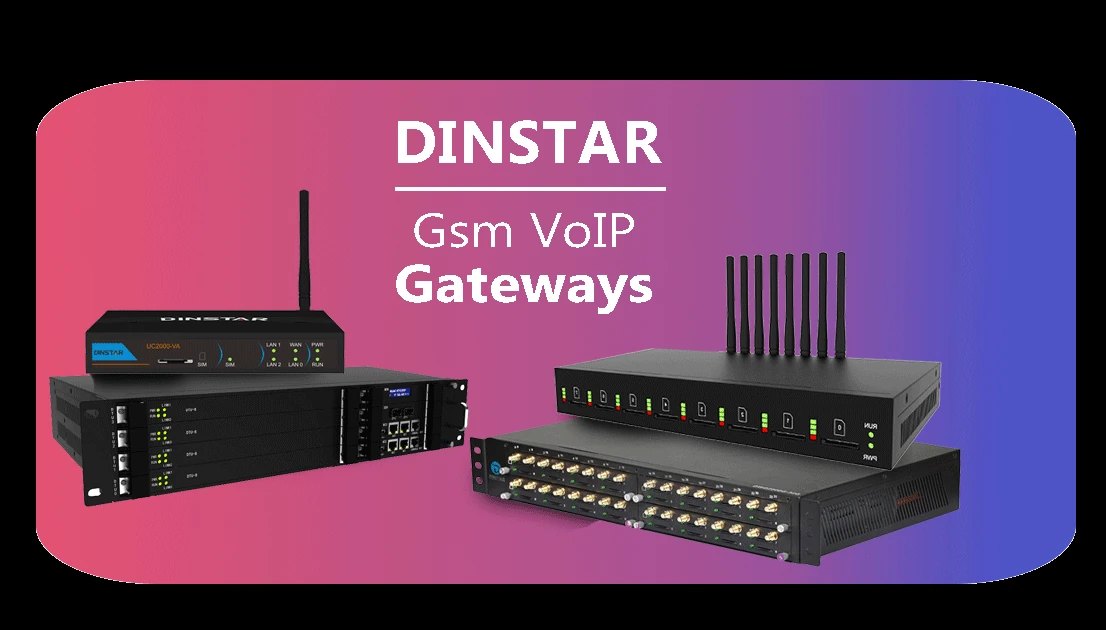
Why Dinstar Gateway
Let’s dive into the world of VoIP like never before. Imagine a technology so seamless, it feels like magic. That’s what the Dinstar VoIP Gateway in Bangalore brings to the table. It’s 2024, and the world of telecommunications is buzzing with excitement, especially in tech hubs like Bangalore. Why, you ask? Two words: Dinstar Gateway.
Evaluate the complete solution and support path
Selecting communications equipment is only one part of a successful project. A useful partner should understand the existing PBX, carriers, network, and business call flows, then help confirm product fit and interoperability before a commitment is made.
Ask how implementation questions, warranty matters, configuration assistance, and escalation are handled. Clarify what is included, which teams own each step, and what information will be needed if troubleshooting is required. Clear expectations help avoid delays after equipment arrives.
Prepare for a smooth deployment
Share a current inventory of interfaces, capacity, software versions, and required call behavior. Where possible, test the proposed configuration with the actual PBX and carrier environment. Keep a written record of settings and acceptance checks so the deployed system can be supported consistently.
Plan training and handover for the people who will maintain the service. Confirm backup and recovery procedures, support contacts, and the process for future changes. These operational details make a communication solution easier to sustain as the organization grows.
Choose a gateway that fits the network
A successful communication deployment depends on matching the technology to real-world call flows, existing systems, and the people who support them. Use these points as a starting checklist:
- Inventory legacy interfaces such as analog, GSM, and E1/T1 before comparing models.
- Match port and concurrent-call capacity to current demand and planned growth.
- Confirm SIP interoperability, routing options, security controls, and local support.
Test the proposed setup with representative traffic and document the final configuration before rollout. A staged deployment makes it easier to confirm call quality, interoperability, and recovery procedures while keeping existing services available.
Dinstar Distributor in India | Official Master Distributor – Dinstar India
In today’s rapidly evolving digital communication landscape, VoIP (Voice over Internet Protocol) has become a critical technology for businesses and organizations seeking efficient...
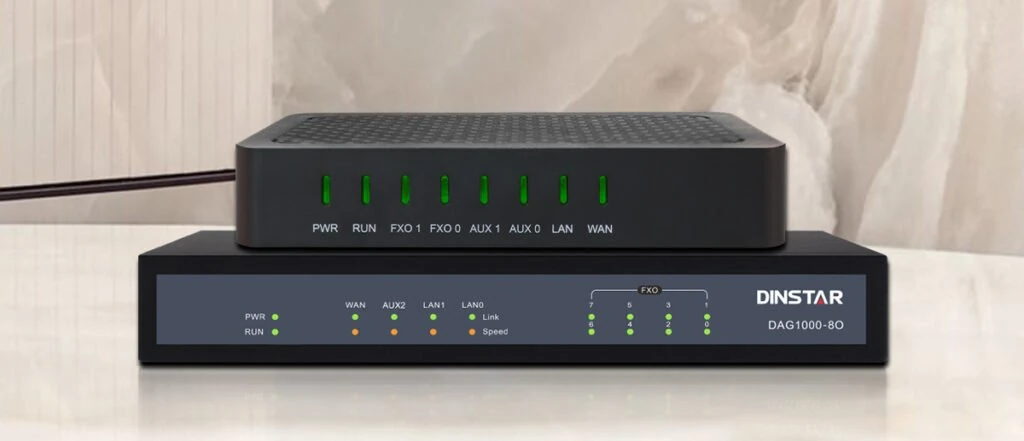
Advantages of FXS VoIP Gateway and FXO VoIP Gateway | Dinstar India
In today’s fast-evolving communication landscape, businesses increasingly rely on advanced technologies to maintain efficient, cost-effective, and reliable communication systems. Among...